These are the people you’ll meet in court
Going to court can feel like visiting a place you’ve never been before. You will see people wearing special clothes, carrying papers, and using words you don’t hear every day.It helps to know who some of these people are.
The Bailiff
The bailiff is like a special police officer. The bailiff helps keep the courtroom safe and orderly. The bailiff may show people where to sit and helps the judge make sure people follow the court’s rules.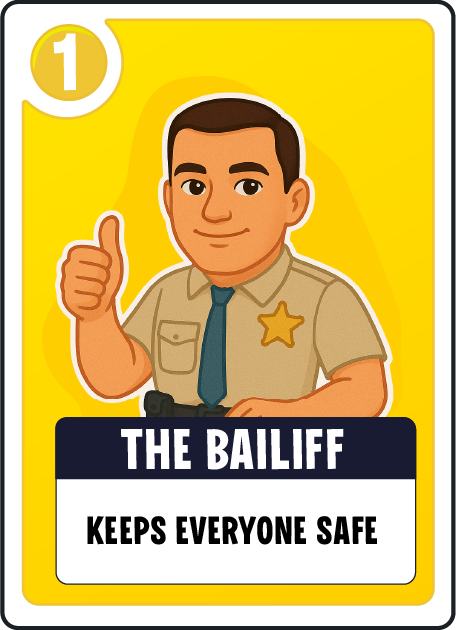
The Judge
The judge is the person who helps make sure everyone follows the rules in court. The judge listens carefully to what people say and helps the court do its job fairly. You will see the judge sitting at the front of the courtroom wearing black robes.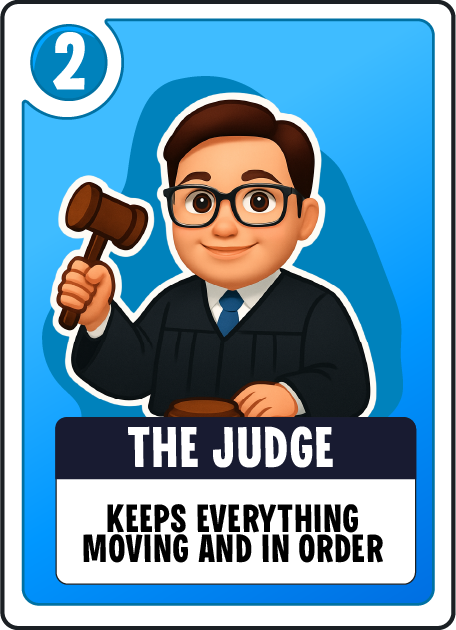
The Defense Attorney
The defense attorney is a lawyer for the person who has been accused of doing something wrong. The defense attorney may also ask you questions. Always tell them the truth It is okay if you do not know an answer. It is okay to ask them to repeat a question if you do not understand it.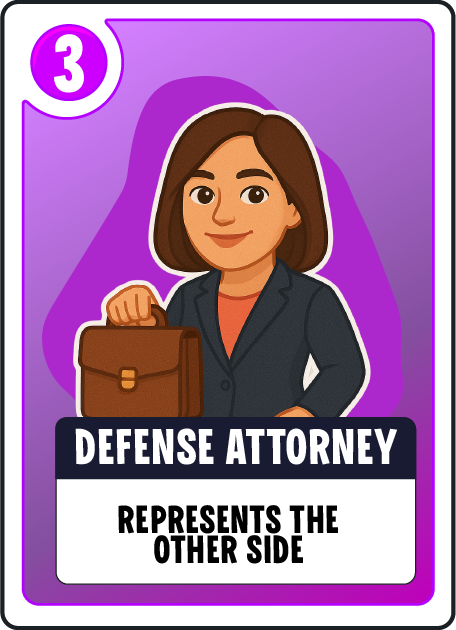
The Prosecutor
The prosecutor is a lawyer who works to help keep people like you safe. The prosecutor is working for you. The prosecutor may ask you questions about things you remember. Always tell them the truth. They are not asking you to guess. They only want to hear what you know and remember.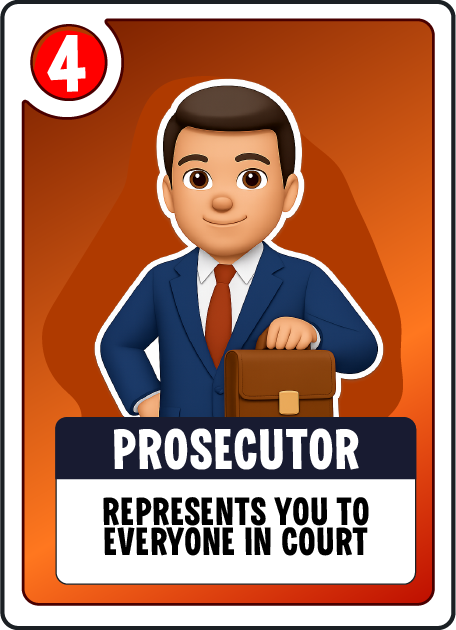
The Court Reporter
The court reporter types everything that is said in court. Their job is to keep an accurate record of what happens.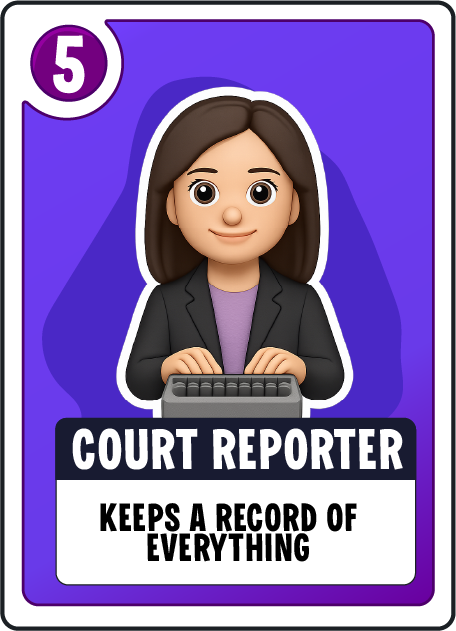
The Jury
Sometimes there is a jury. A jury is a group of people from the community. Their job is to listen carefully to the information shared in court. At the end of the trial, they help decide what they believe happened based on what they heard and saw. Not every case has a jury. Your advocate or lawyer can tell you whether there will be one in your case.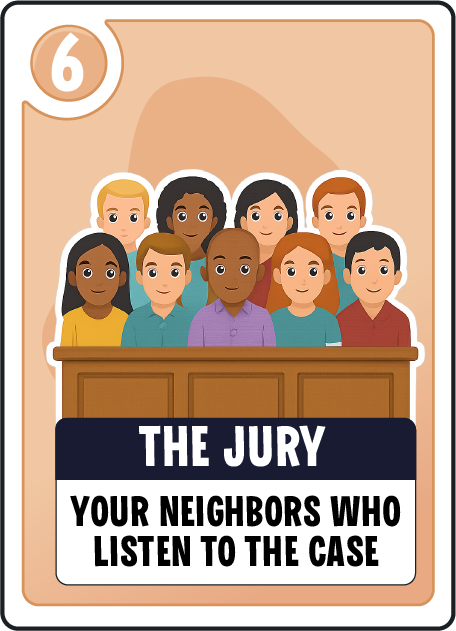
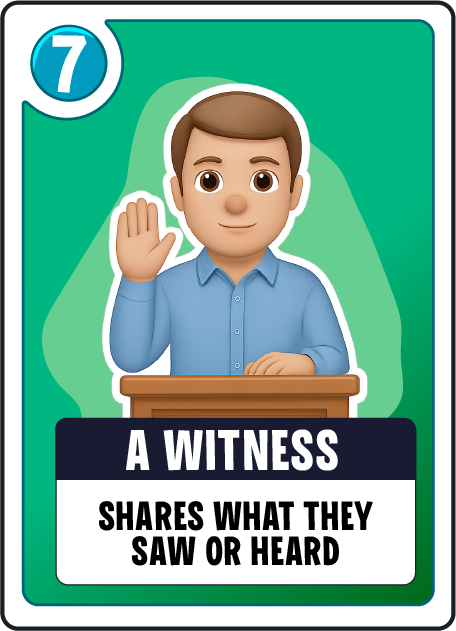
The Witness
The witness is someone like you who has seen or heard something other adults need to know more about. As a witness you get to speak to the judge and the court. You’ll be asked some questions. The other adults might have a few questions, or they might have a lot. Just answer the best you can. If you don’t know the answer, it’s okay to say, “I don’t know” or “I don’t remember.”